CRB Response
A grant-funded organization managed through the University of Hawai‘i that provides education, awareness, detection, prevention and treatments to protect Hawai‘i from the threats and impacts of CRB.

Big Island Invasive Species Committee
A project of the University of Hawaiʻi- Pacific Cooperative Studies Unit, BIISC aims to prevent, detect and control the establishment and spread of invasive species on Hawai‘i Island.

Kaua‘i Invasive Species Committee
A project of the University of Hawaiʻi’s Pacific Cooperative Studies Unit that works to prevent, control or eliminate the most threatening invasive plant and animal species.

E Ola Kākou Hawai‘i
A nonprofit formed in 2021 that has been organizing community workdays to find and eradicate Coconut Rhinoceros Beetles in breeding sites.

Mālama Learning Center
A nonprofit that designs hands-on, place-based programs that teach sustainable, culturally grounded living. It has programs around youth, teachers, community members, site restoration and wildfire prevention.
What to Know
The Coconut Rhinoceros Beetle is an invasive pest that has been in Hawai‘i since December 2013. It was originally found at Joint Base Pearl Harbor–Hickam. In the two years after, it was mostly found in surrounding areas before spreading farther and quicker as the years went on.
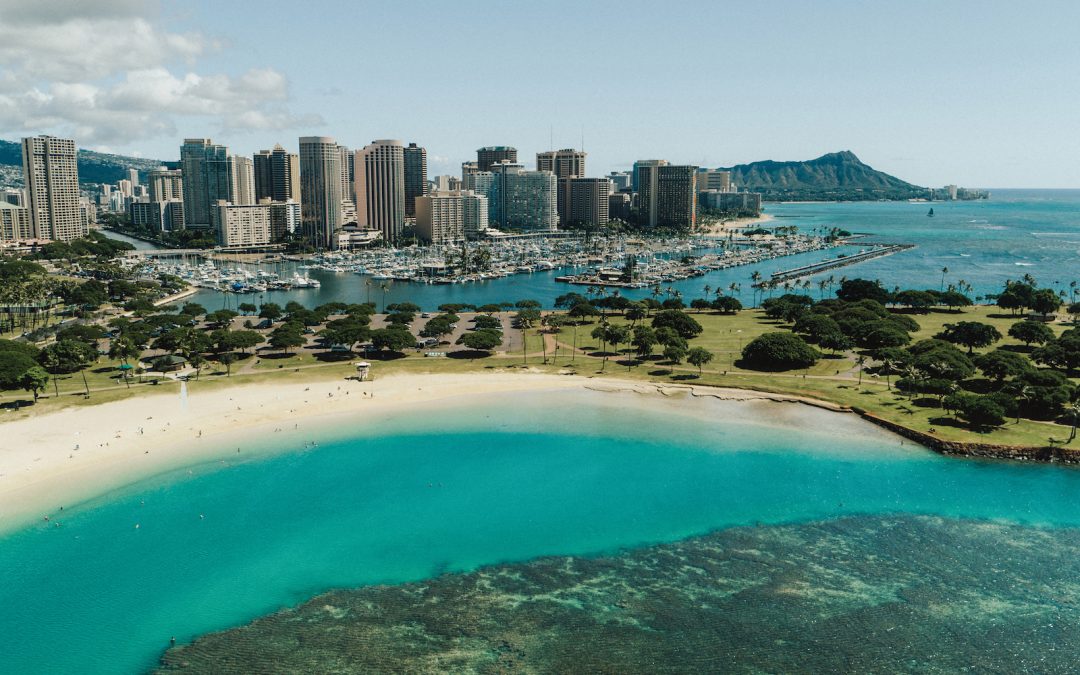
O‘ahu: CRB is widespread, though many areas, such as the airport through Hawai‘i Kai, are in the early stages and have little damage. Efforts are focused on long-term management to reduce beetle populations and minimize damage.
Kaua‘i: The first neighbor island to have a CRB detection in May 2023. There have since been detections from Kekaha to Hanalei, mostly in coastal areas. The island’s efforts have focused on containing the beetle and preventing it from spreading further.
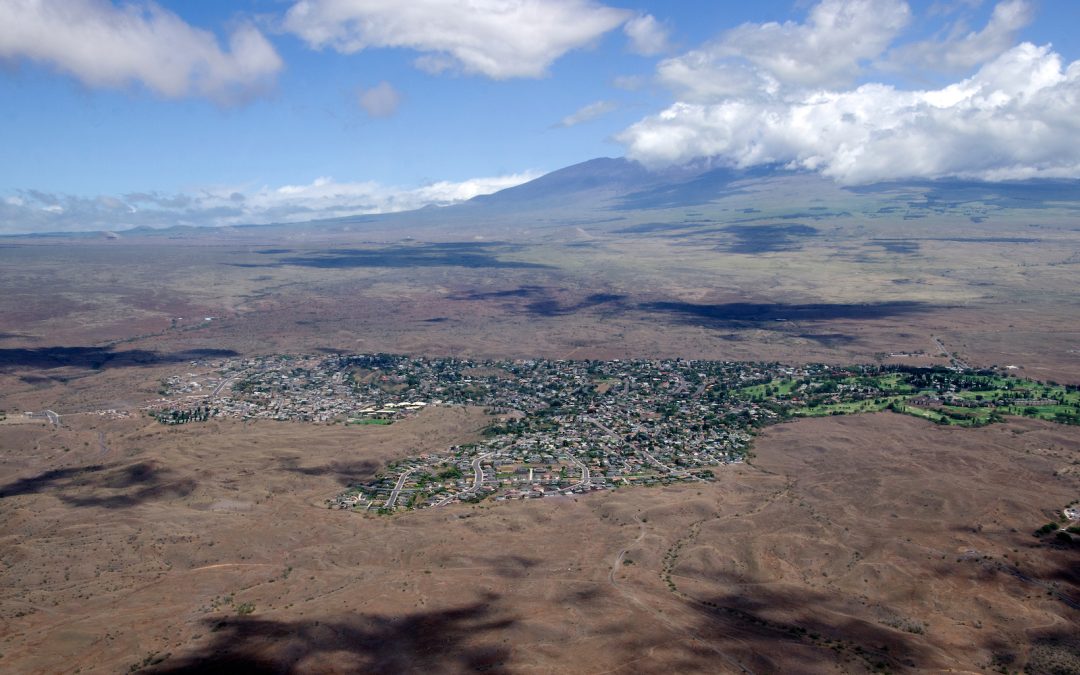
Hawai‘i Island: CRB was originally detected on Hawai‘i Island in October 2023. The beetle has only been detected in Waikoloa and Kona, though no sighting has occurred in Waikoloa since September 2024. Efforts are focused on eradication through intensive early detection efforts and treatments.
Maui County: The beetle was detected on the island of Maui in November 2023; no other beetles have been confirmed since. Efforts are focused on eradicating the beetle through intensive early detection efforts and treatment. CRB has not been detected on Moloka‘i or Lāna‘i.
More information on the beetles’ spread, detection trends, and management practices, and targeted messaging for key stakeholders can be found in the state’s CRB communications plan.
Identify the Beetle and Signs of Infestation
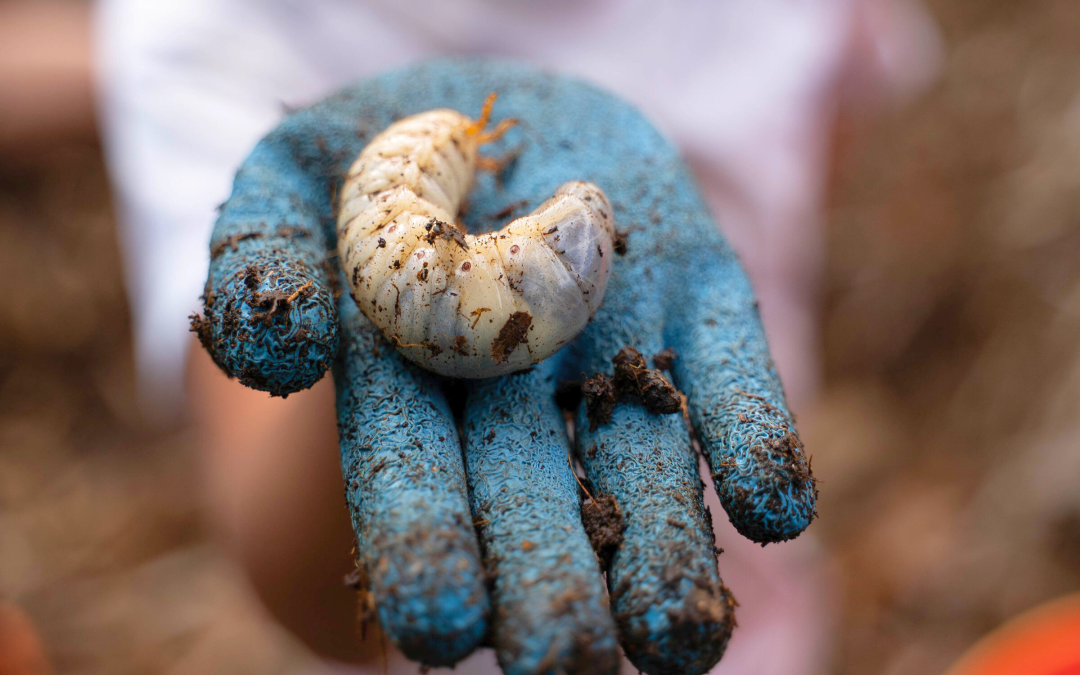
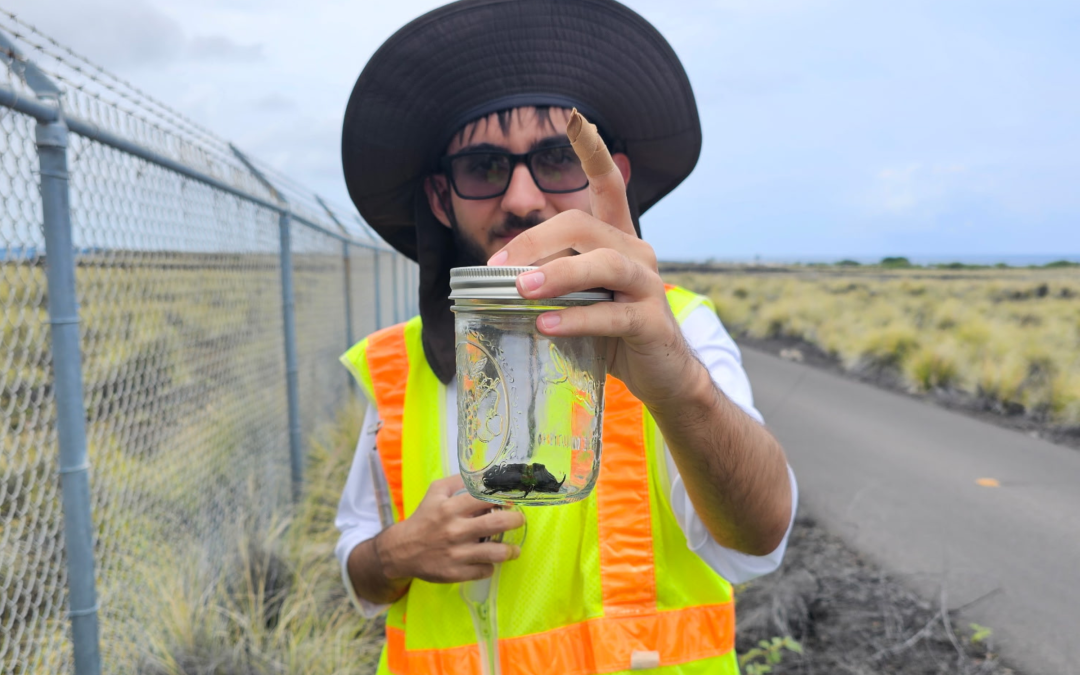
Adult beetles are black, horned and about 2 inches in length. Larvae crawl on their side and curl into a “C” shape when handled.
CRB looks like a couple other beetles, so more information and photos can be found on CRB Response’s website. CRB Response also has a larvae identification key to help residents distinguish between CRB and other similar-looking beetles.


Left: A Coconut Rhinoceros Beetle larvae found in Kona. Right: An adult beetle found in a trap. | Courtesy: Big Island Invasive Species Committee
The beetles use their horns and front legs to burrow into a palm’s crown to feed on developing leaves and sap, leaving 2-inch bore holes behind. It can take several months for trees to display tell-tale damage signs of V-shaped cuts or scalloped edges in its leaves.
Palms can have other type of damage that is sometimes confused as being caused by CRB. The Big Island Invasive Species Committee (BIISC) has a guide on various palm diseases, nutrient deficiencies and pests to help you identify what’s causing your palm to look unwell.
While palm trees are CRB’s main food source, the beetles have also been known to eat hala, banana, kō, kalo and pineapple when palms are unavailable.
Report Beetle Sightings (Except on O‘ahu)
Residents should generally alert Hawai‘i’s 643Pest Network of new CRB sightings by visiting 643pest.org. Include the date, location and photos. Reports made through 643 Pest are shared with the various state and county entities responding to CRB.
Since O‘ahu is infested, residents there don’t need to report new sightings of the beetle.
Big Island only: Report sightings to the Big Island Invasive Species Committee here. BIISC will follow up with you.

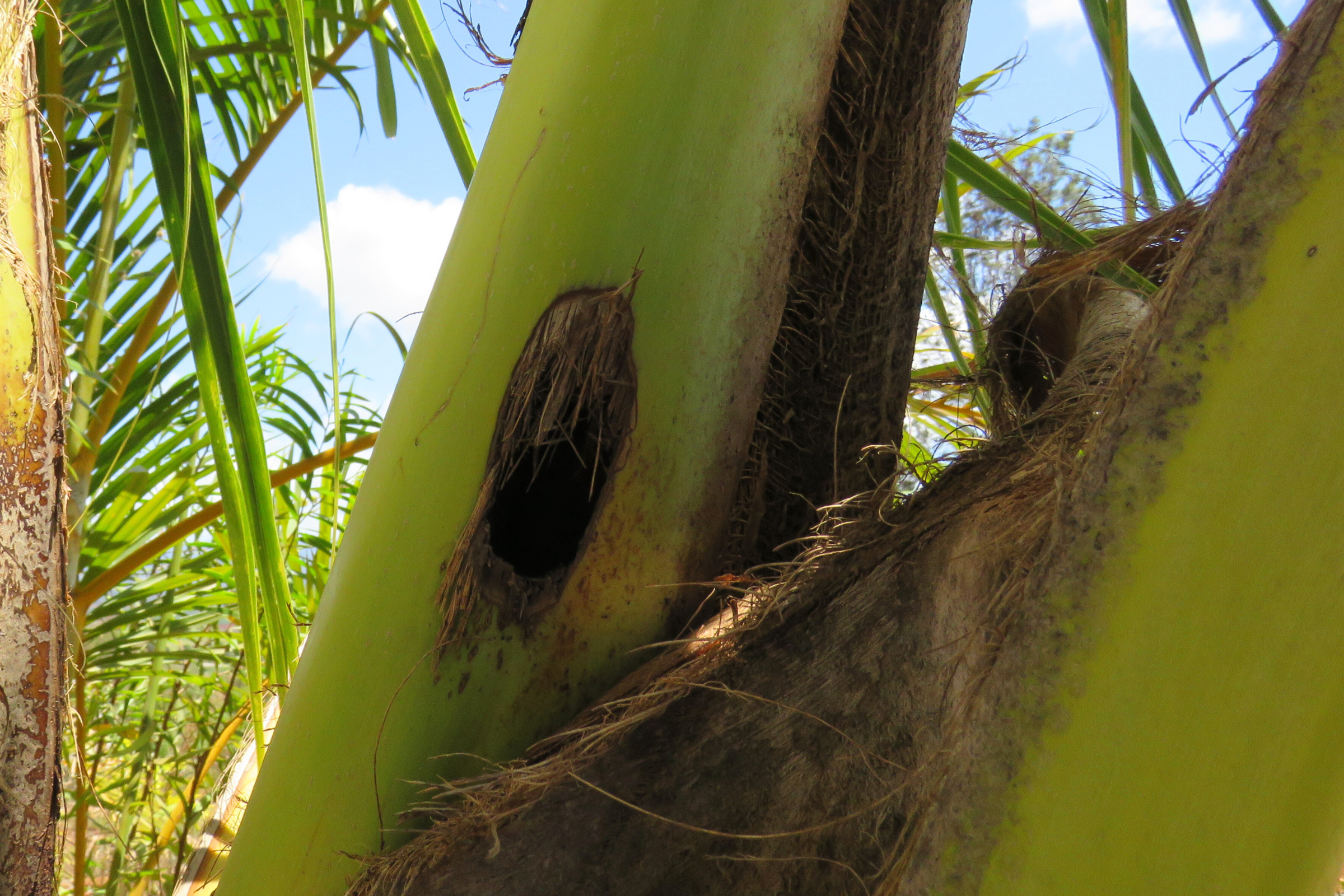
Left: V-shaped cuts in a palm tree’s leaves. Right: Adult beetles use their horns and front legs to bore into the crowns of trees, leaving two-inch bore holes. Adults often switch the palms they feed on. | Noelle Fujii-Oride, Overstory and Courtesy: CRB Response
Inspect Potential CRB Breeding Sites Regularly
CRB like to breed in decomposing material, such as mulch, compost, stumps and logs, dead trees, green waste piles, potting mix, and bagged soil. Female beetles can lay 50 to 140 eggs during their lifetimes.
Larvae spend about 5.5 months in decomposing material, so green waste management is the best natural treatment. They can burrow deep—for example, if your mulch pile is 4 feet high, they can be buried 4 feet deep. And pupa, the stage when larvae create a hard covering around itself before emerging as adults, can be buried below the soil line. Residents will need to dig through and sift material.
On Hawai‘i Island, BIISC is asking that Waikoloa Village residents sign up for free yard surveys with BIISC’s detection dog. Email [email protected].
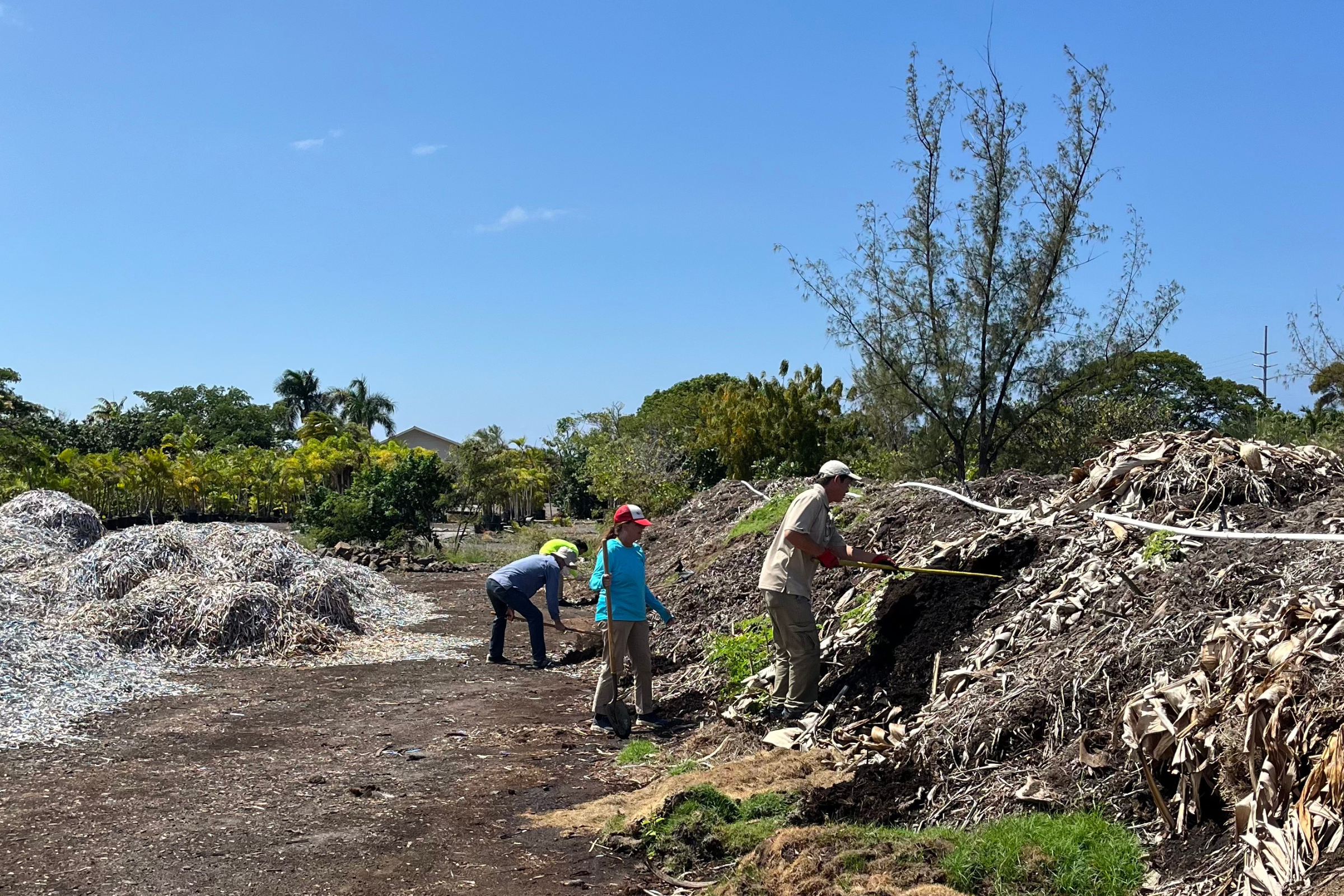

Left: Big Island Invasive Species Committee staff dig through a large mulch pile for signs of CRB breeding. Right: BIISC’s CRB detection dog, Manu, and his handler, Michelle, conduct a backyard survey. | Courtesy: Big Island Invasive Species Committee
Manage Infested Breeding Sites and Trees
CRB Response’s website includes several treatment methods, ranging from submerging, steaming, burying, netting or tilling breeding material to using pesticides that kill beetles when they eat host trees.
The organization has an additional handout on how to net your tree. Net holes should be ½-1” and be placed at the base of fronds in the upper crown and near the spear. Wrap multiple times and don’t stretch it too tight.
Fruit and flowers should be removed from palm trees before applying chemical treatments to protect pollinators, and fruit of treated trees cannot be consumed.
Treated sites and trees should be monitored, and additional treatment may be needed. Local experts said for any treatment or management strategy to be effective, it needs to be done for entire areas, rather than just single properties.


Left: A young tree wrapped in netting. Right: Honolulu Department of Parks & Recreation staff treat palm trees at Kaka‘ako Waterfront Park with an injected insecticide called Xytect. The hope is that the insecticide will prevent CRB from infesting the palm trees. | Noelle Fujii-Oride, Overstory
Join a Community Workday or Organize Your Own Community Effort
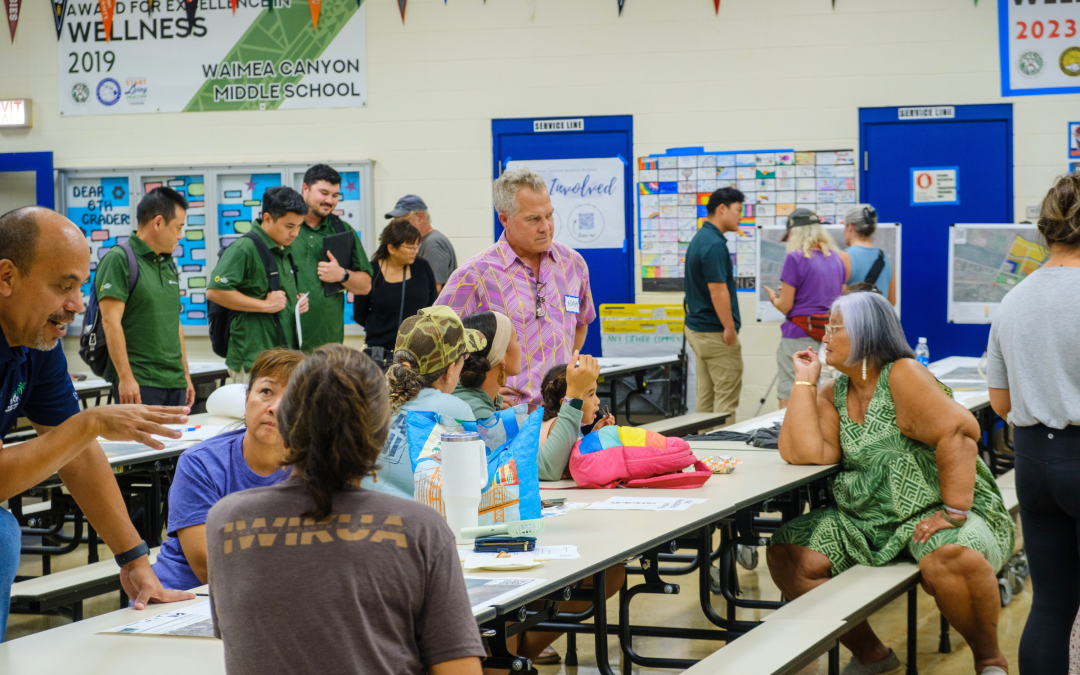
On Kaua‘i, nonprofit E Ola Kākou Hawai‘i organizes weekend workdays to help sift through mulch piles (see their Instagram for updates). The Kaua‘i Office of Economic Development and CRB Response also have guides to help you organize your area/neighborhood.
Host a CRB Detection Trap on Kaua‘i and Hawai‘i Island
The traps contain a pheromone lure that attracts nearby CRB and are used for early detection and for tracking population dynamics. CRB Response has a post about how its detection traps work on its Facebook page.
Kaua‘i residents: email the Kaua‘i Invasive Species Committee at [email protected] to see if your property would be a good candidate to host a trap. Hawai‘i Island residents: email [email protected].
Additional Resources
For teachers: Lesson plans about the Coconut Rhinoceros Beetle are available for grades 3-12 and science, math, health, and AP statistics. More information on Mālama Learning Center’s website.